
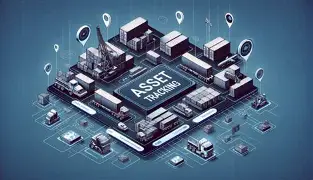
GPS is great outdoors, but inside a factory or warehouse its signals are weak or blocked. Bluetooth Low Energy (BLE) tracking is one of the most practical ways to locate assets and people indoors.
The Business Problem
In large plants, mobile equipment is constantly moving between areas and teams. Forklifts, trolleys, specialist tools and test equipment are often not where they were last left.
- Operators lose productive time searching for equipment
- Tools go missing or are hoarded by one team
- Without usage data, it is hard to know whether you have too much or too little equipment
- There is no automatic way to know when assets enter restricted areas
Practical Explanation
How it works
Small battery-powered BLE beacons are attached to the assets you want to track. Each beacon regularly broadcasts a short signal. Gateways installed around the building pick up these signals and measure their strength, and a software platform uses those readings to estimate where each beacon is and shows it on a digital floor plan.
How accurate is it?
Accuracy depends mainly on how many gateways are installed and on the building layout. A typical setup reliably shows which zone or room an asset is in. Denser gateway placement can improve precision further, but for most factory uses, knowing the zone is enough to find an item quickly.
BLE compared with RFID
RFID is ideal for recording when items pass specific points such as doors and docks. BLE is better for continuously knowing where moving assets are across a whole area. Many sites use both.
Implementation Considerations
- Define zones first: map your floor plan and decide which areas matter, such as production, stores and restricted zones
- Plan gateway coverage: gateways need power and a network connection, so use existing power points and Wi-Fi or Ethernet where possible
- Prioritise assets: tag the equipment that causes the most searching or losses first
- Battery management: choose beacons with long battery life and a platform that warns before batteries run low
- People tracking: if tracking staff for safety, define a clear purpose and inform employees
Industry Examples
- Heavy engineering: forklifts and lifting equipment are located on a live map, cutting search time across several halls
- Hospitals and labs: shared mobile equipment is found quickly across large buildings
- Assembly plants: utilisation reports show which trolleys and tools sit idle, avoiding unnecessary purchases
Frequently Asked Questions
How long do BLE beacon batteries last?
It depends on the beacon model and how often it transmits. Many beacons run for a long time on one battery, and a good platform warns you before batteries run low.
Can BLE track assets outdoors?
BLE is designed mainly for indoor tracking. For outdoor yards it is usually combined with GPS or other technologies.
How many gateways are needed?
It depends on the building size, layout and the accuracy you need. A site survey determines gateway positions, with denser placement giving more precise locations.